
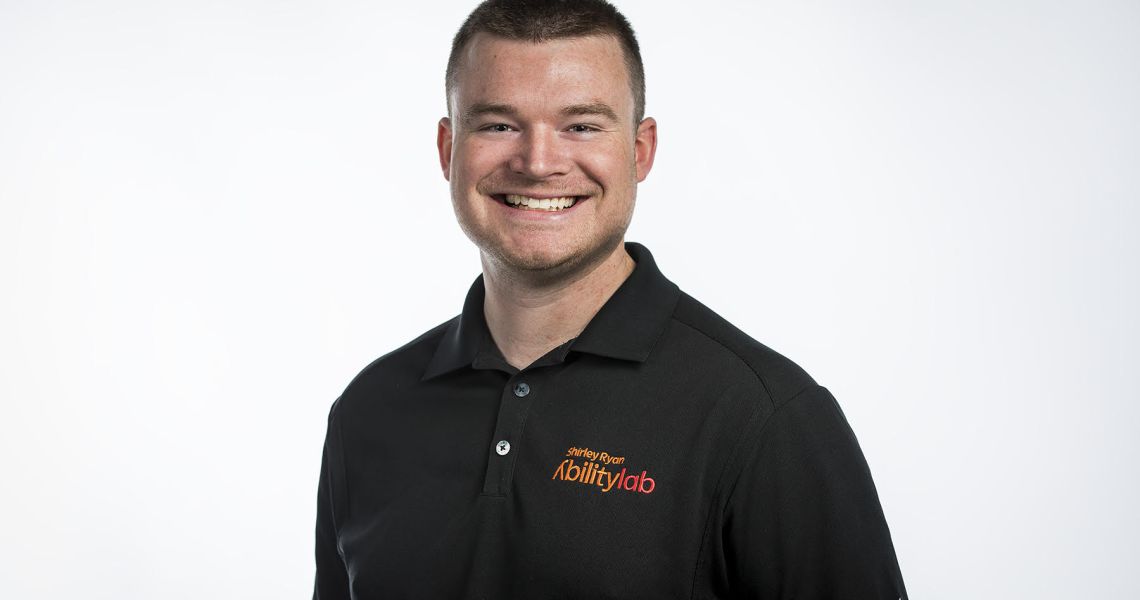
Jonathan Ripic, PT, DPT, NCS is a 2021 graduate of the MedStar National Rehabilitation
Network/The George Washington University neurological physical therapy residency program.
Ripic’s interest in physical therapy began after he was a patient himself, due to sports injuries in high school. As he progressed through physical therapy school and clinical instruction, Ripic’s interest shifted from orthopedics to neurology. So much so, that he decided to pursue a neurologic physical therapy residency following graduation from physical therapy school. Ripic felt that a residency would be a great opportunity for him to fine tune his clinical skills, gain valuable experience with research and teaching, and diversify his knowledge to become a well-rounded clinician.
Ripic completed the MedStar/GW Neurologic Residency Program in September of 2021.
The residency program exposed Ripic to a variety of patient care settings, and provided him with skilled mentors from whom he obtained clinical expertise. A highlight of the program for Ripic was the research experience he gained, which solidified his interest in pursuing research in his professional career.
When asked about how residency shaped him as a clinician, Ripic reported that it helped him
learn “how to be an evidence-informed but risk-adjusted clinician”. For Ripic, that means he
utilizes research when determining the most appropriate treatment for his patients, but he is able to adjust appropriately based on a patient’s co-morbidities, personal factors, and response to prior interventions.
Now living in Chicago, Illinois, Ripic works at Shirley Ryan AbilityLab, a top neurological rehabilitation center in the United States. Ripic serves patients in the Spinal Cord Innovation Center, which provides interdisciplinary, innovative care to patients with all levels of spinal cord injuries.
Ripic has carried his passions for research and mentorship from residency into his career at
Shirley Ryan AbilityLab. He has been involved in several research projects involving the
spinal cord injury population, including predicting functional walking ability after injury, and
assisted-coughing using a technique called functional electronic stimulation. Ripic acts as a core
mentor in the Spinal Cord Innovation Center and works to connect mentors to mentees.
In recognition of his efforts within neurologic rehabilitation, Ripic was awarded the Early
Career Professional award by the Academy of Neurologic Physical Therapy at the American
Physical Therapy Association’s Combined Sections Meeting in Houston in February of 2024. If Ripic could provide any advice to current physical therapy students or residents, he would tell them that each and every patient will teach you something, regardless of if you are
seeing patients with identical diagnoses. “It is important to stay inquisitive as you are gaining clinical experience. Keep asking questions to prepare yourself for the start of your career,” Ripic recommends. For clinicians who already have years of experience under their belts, Ripic suggests taking the leap to further their expertise and “push yourself as a clinician to be a better teacher and mentor”.


